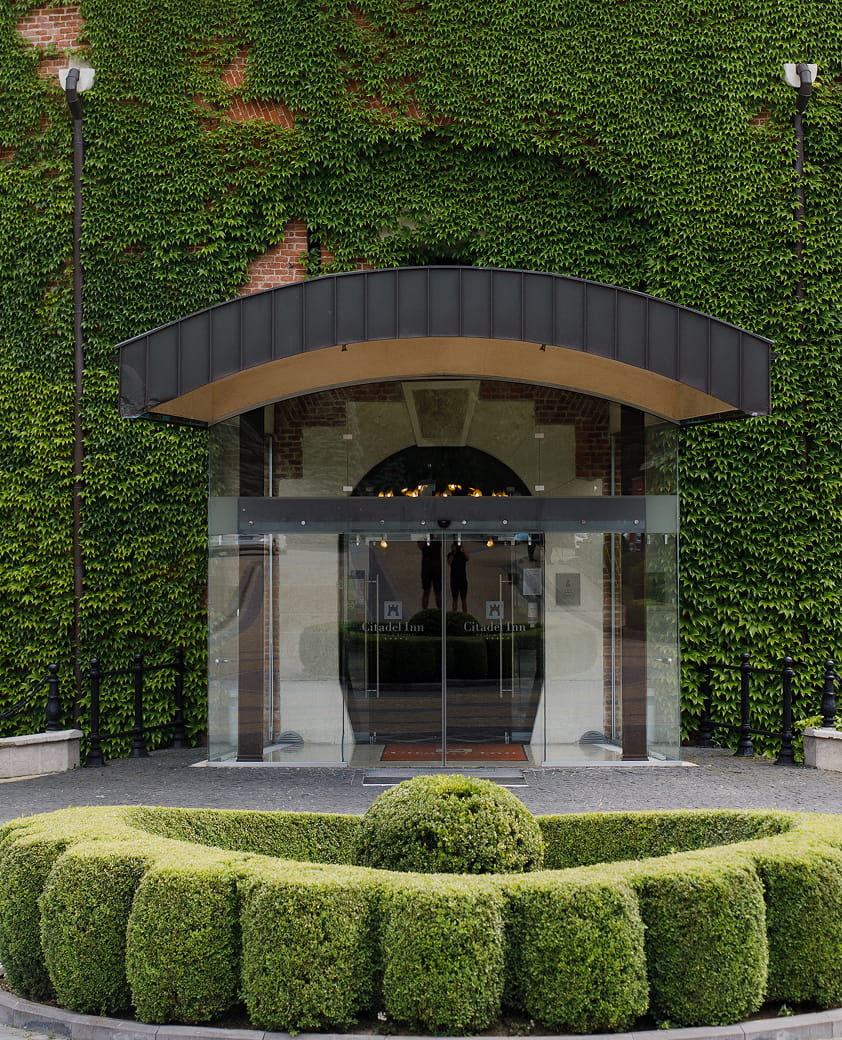
Today, Citadel Gastro Boutique Hotel is a space where history, comfort, and hospitality come together.
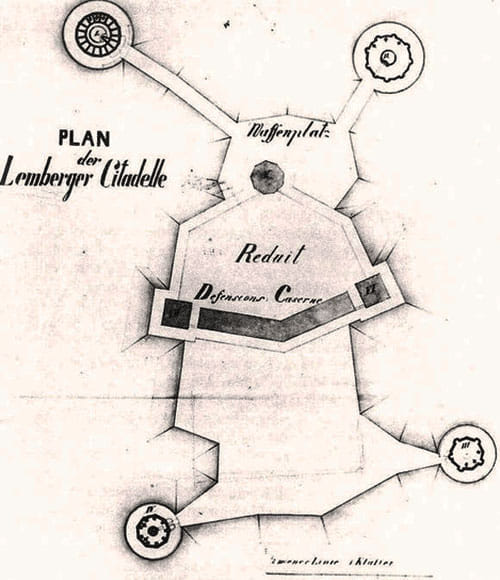
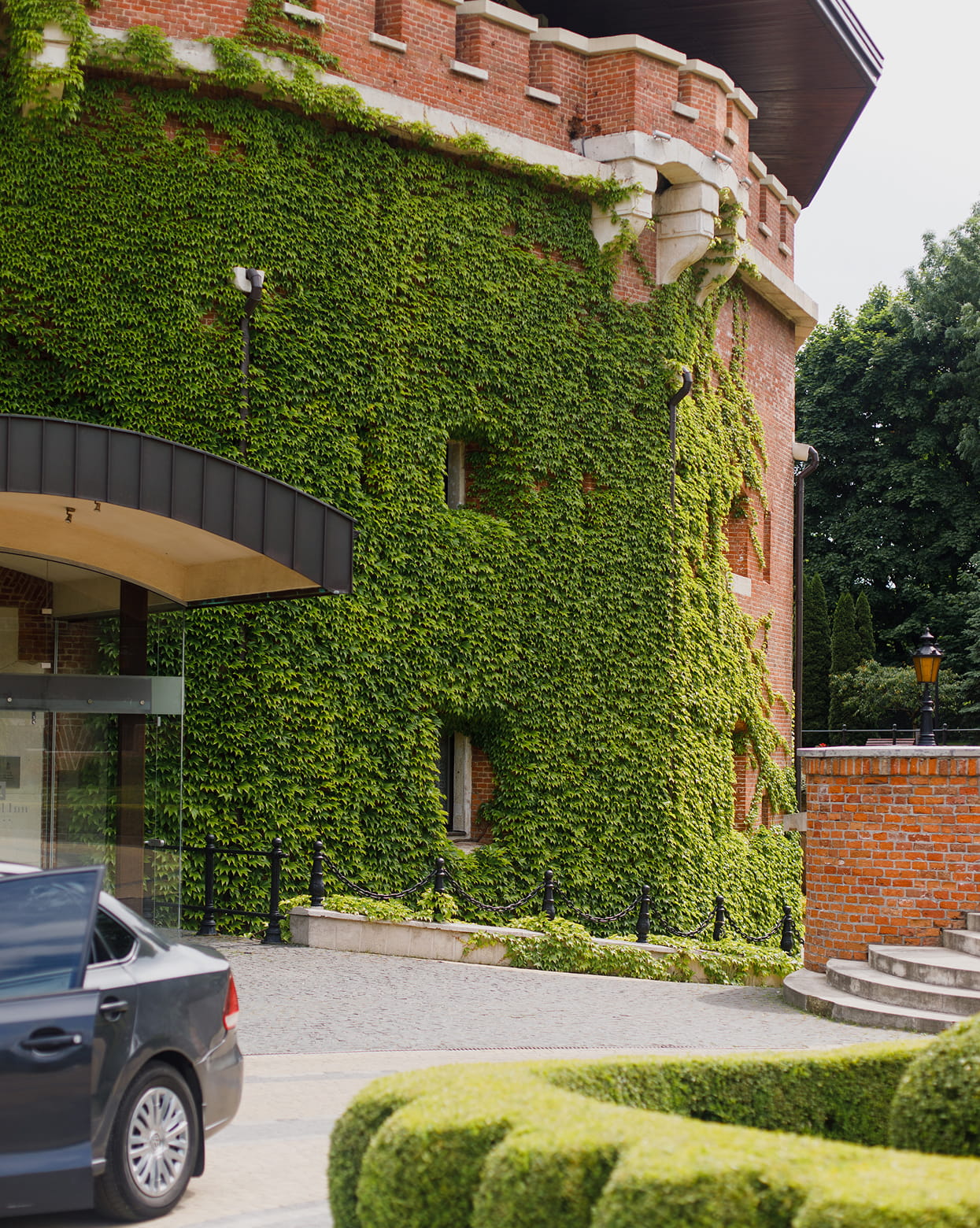
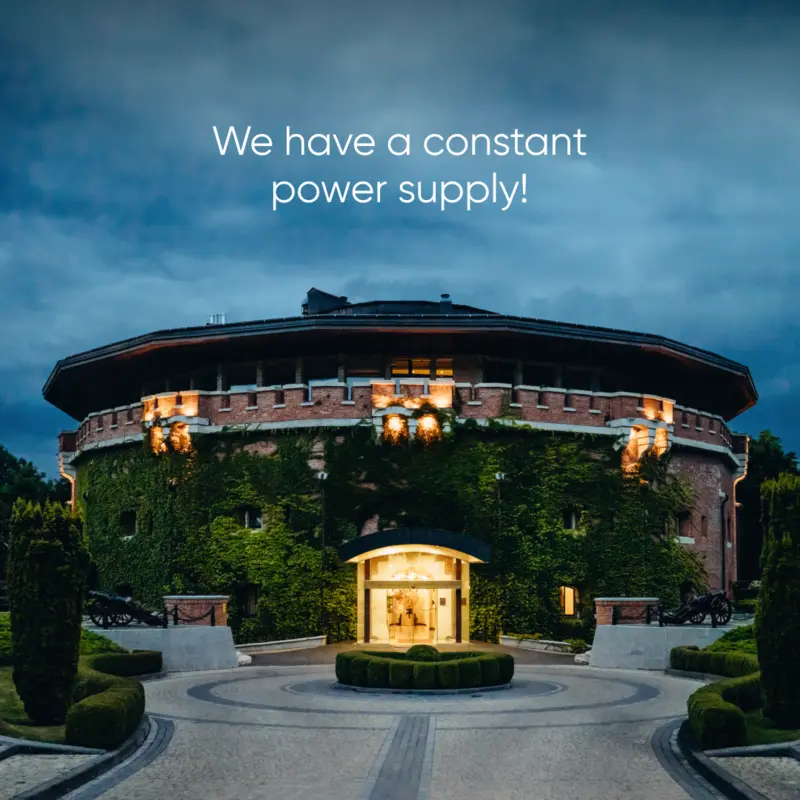
Founded on the idea of reimagining the former Military Maximilian Tower No. 2, once part of a defensive fortress, the hotel has become a symbol of refined hospitality and peace.
This place carries the memory of the era of Emperor Franz Joseph and the many wars that followed, now reinterpreted for a new time. Today, Citadel Gastro Boutique Hotel is a space with unique infrastructure that has been setting hospitality standards for over a decade. Since 2009, the hotel has received more than 10 prestigious awards, and until 2014 it remained the only certified five-star hotel in Lviv.
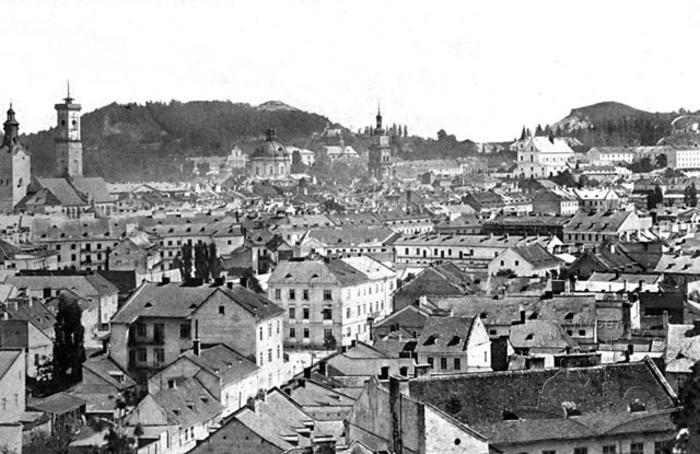
In 1766, the area where Citadel stands today was a green oasis of orchards and vineyards.
According to Lviv historian F. Jaworski, who lived on the hillside of the Citadel, this area was described as “Lviv’s Arcadia” a summer retreat of the city’s patrician class.
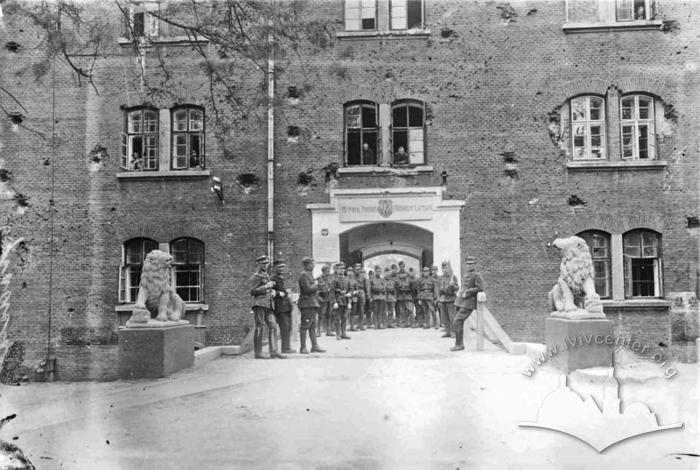
Lviv was part of the Austro-Hungarian Empire from 1772 to 1918. During this period, a large fortification complex was built on the Citadel hills to serve as part of the city’s defense system. Following the collapse of the Empire, on October 30, 1918, Lviv became involved in the Polish-Ukrainian War, and Austro-Hungarian rule over the city came to an end.
The construction of the main buildings of the Citadel complex was completed, a date that can still be seen at the entrance to Gastro Boutique Hotel & Restaurant. The building is one of the best-preserved examples of fortification architecture in Europe, and its historical value is immense.
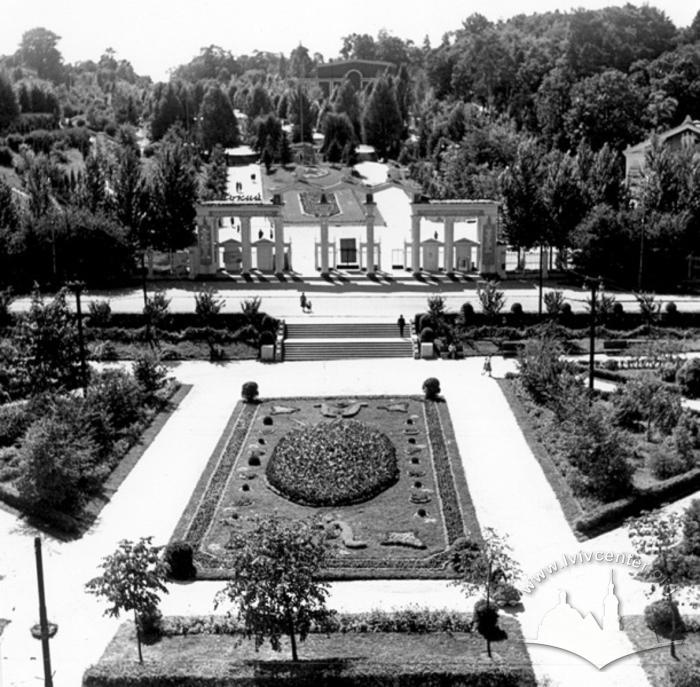
In 1922, the city came under Polish administration. Surprisingly, the Citadel became a place of recreation its grounds were open to the public and it functioned as a kind of urban park. However, this peaceful period was short-lived: after 1928, public access was restricted, and the site once again became a closed military facility.
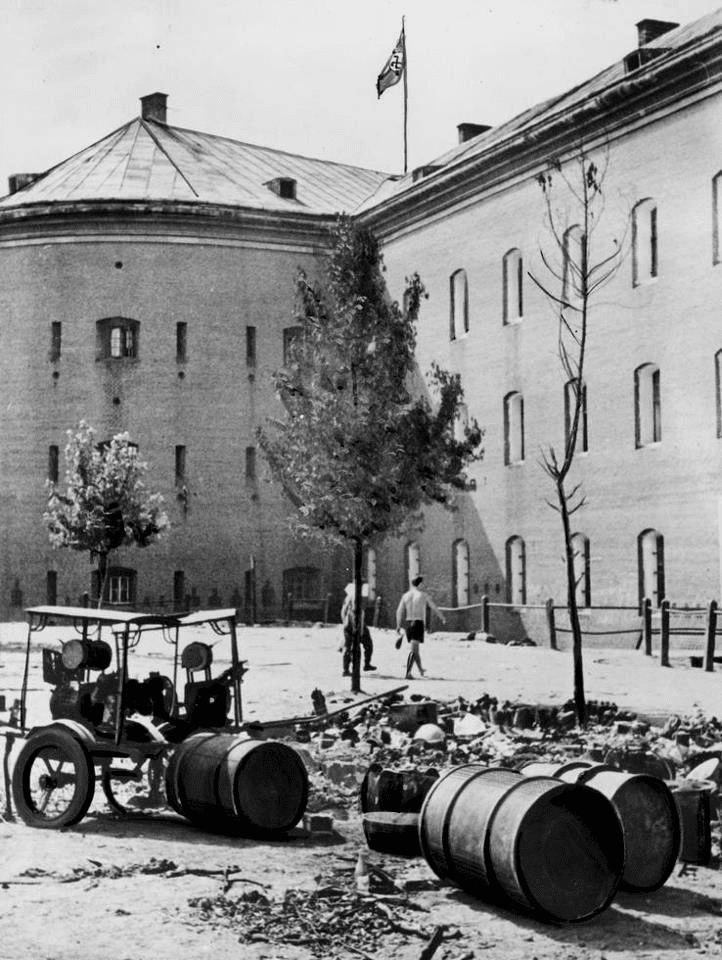
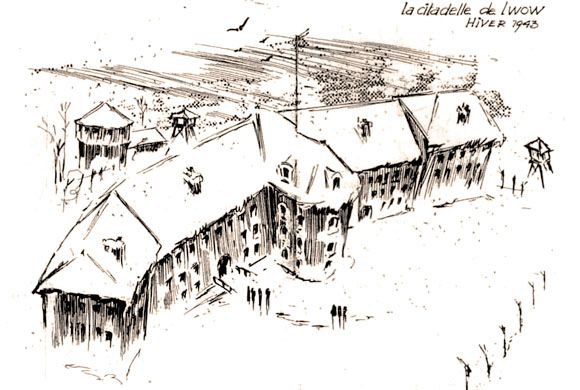
During World War II, the Citadel experienced one of the most difficult periods in its history. In 1939, Lviv was bombed by German forces. From June 1941, the complex was occupied by German troops, and from July, a prisoner of war camp operated on the Citadel grounds, holding soldiers of various nationalities. This period lasted until 1944.
Lviv was part of the Soviet Union from 1944 to 1991. After the end of World War II, the Citadel complex was taken over by the Soviet army. Its towers and barracks were used as military warehouses and quarters, and the site remained closed to the public. Due to lack of maintenance, the structures gradually deteriorated, falling into disrepair by the 1990s.
Fire
as the starting point
In the 1990s, a major fire broke out in one of the Citadel towers. The uncontrolled blaze severely damaged the structure. However, this event became a turning point not only did it mark the loss of part of its past, but it also opened a new chapter, creating an opportunity for transformation and renewal.
The fire-damaged
Tower No. 2
was later leased to private owners. It was then that the idea emerged to reimagine its purpose to transform a structure once associated with war into a space of beauty, comfort, and art.
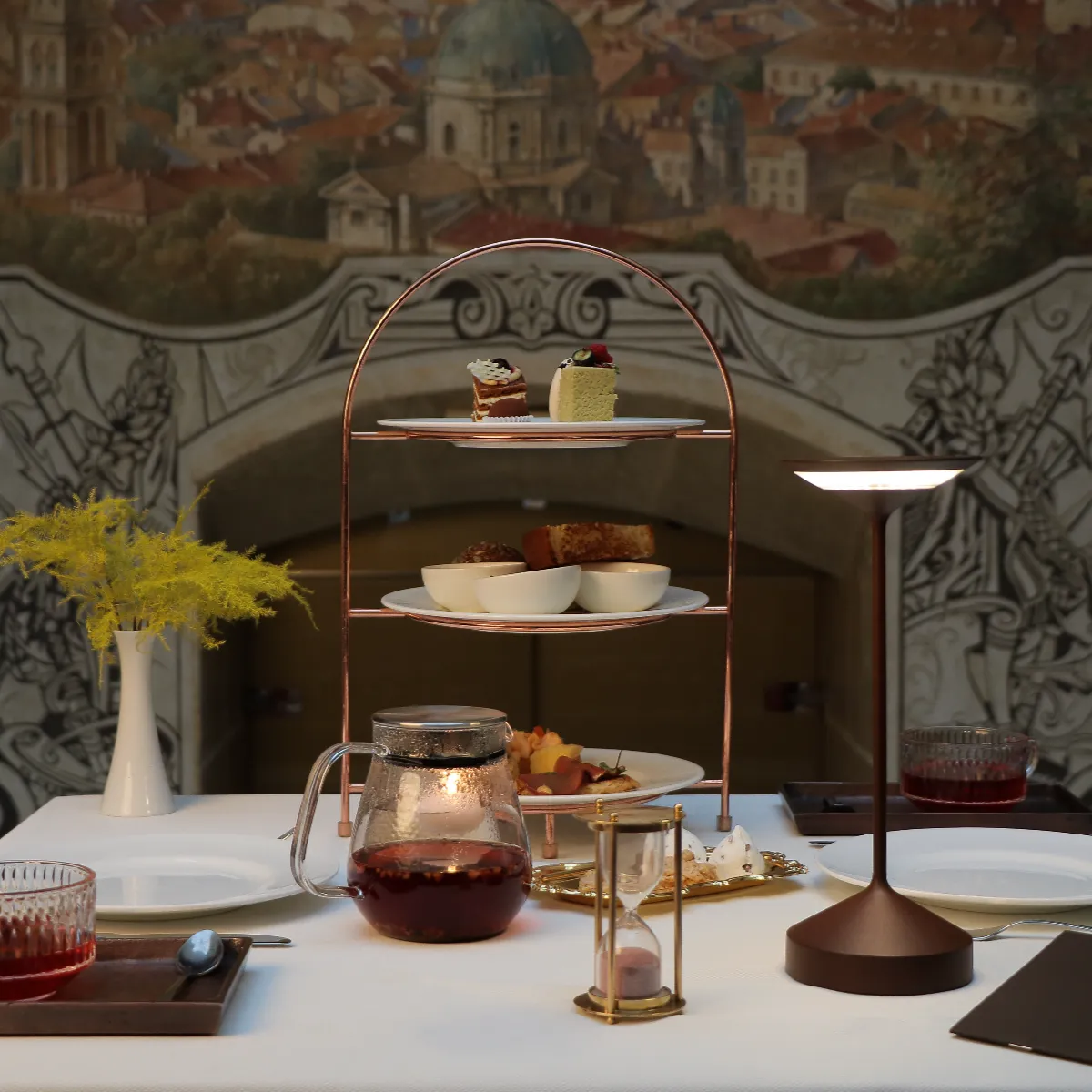
One striking example of this vision is the mural artwork inside the hotel, where cannons are depicted with flowers growing from them. The interiors of Citadel Gastro Boutique Hotel were created over the course of a full year.
A new purpose:
Reimagined to inspire.
In 2009, the hotel opened its doors to guests. The renewed space gradually took on a new meaning, becoming a source of inspiration. A park with over 150 species of unique plants was created, forming an atmosphere of harmony, complemented by landscaped grounds, cozy rooms, and signature cuisine.
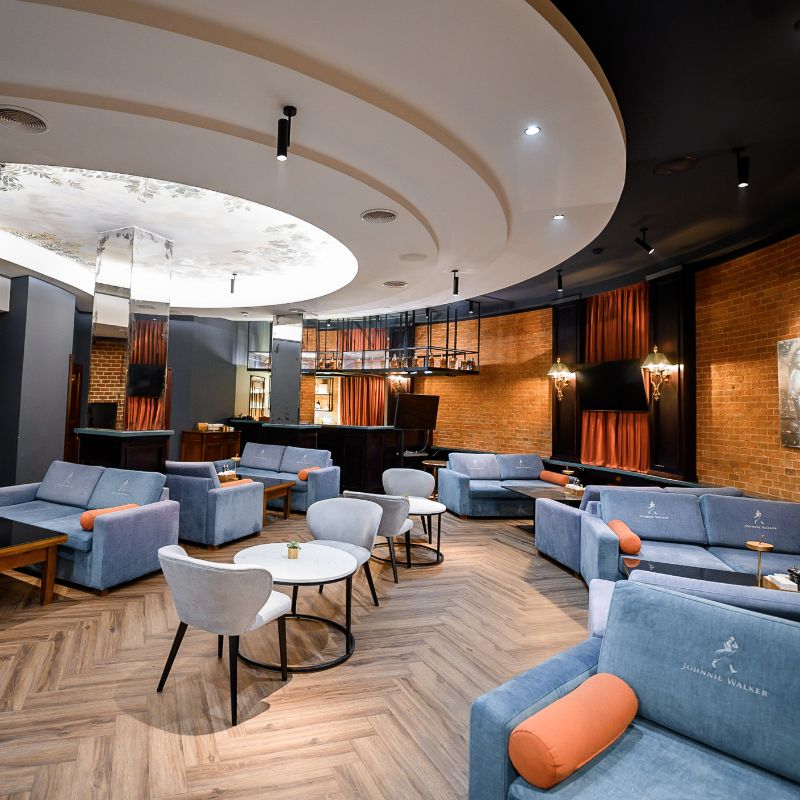
Today, Citadel Gastro Boutique Hotel is much more than a hotel. It is a complete space with a unique infrastructure.